Nothing beats the satisfaction of pulling a fresh loaf of bread out of the oven, but getting it just right can sometimes be a challenge. Whether your dough isn’t rising or your crust isn’t quite golden, even seasoned bakers run into roadblocks.
The good news? Small adjustments can lead to big improvements. By learning a few key techniques, you’ll be able to bake bread that’s perfectly soft on the inside and crusty on the outside. Let’s dive into some helpful tips and answers to common questions that will take your homemade bread to the next level!
FAQs: Gluten Free Sourdough Bread Recipe
1) Can I use a different type of gluten free flour for the bread?
Yes, you can use a gluten free flour blend of your choice. For best results, use a mix of rice flour, potato starch, and tapioca starch, as it provides the best texture. Avoid using a single type of flour as it may affect the bread’s structure.
2) How do I know if my sourdough starter is ready?
Your starter is ready when it’s bubbly, has doubled in size after feeding, and has a slightly tangy aroma. If it isn’t rising or bubbling after 5–7 days, ensure you’re feeding it with fresh gluten free flour and lukewarm water.
3) What can I use instead of apple cider vinegar?
If you don’t have apple cider vinegar, you can substitute it with lemon juice or white vinegar. This helps improve the bread’s structure and rise.
4) How do I prevent my bread from becoming too dry?
Ensure the dough is slightly sticky before baking; add a little more water if it feels too dry. Additionally, store the bread in an airtight container at room temperature or freeze it to maintain its moisture.
5) What’s the best way to reheat frozen slices?
You can reheat frozen slices in a toaster for a crispy texture or wrap them in foil and warm them in a preheated oven at 180°C (350°F) for 10–15 minutes. This helps restore the bread’s softness and flavor.
Let’s Make It!
Want to learn more about baking bread? Check out our recipes here!

FAQs: Eggless Banana Bread Recip Recipe
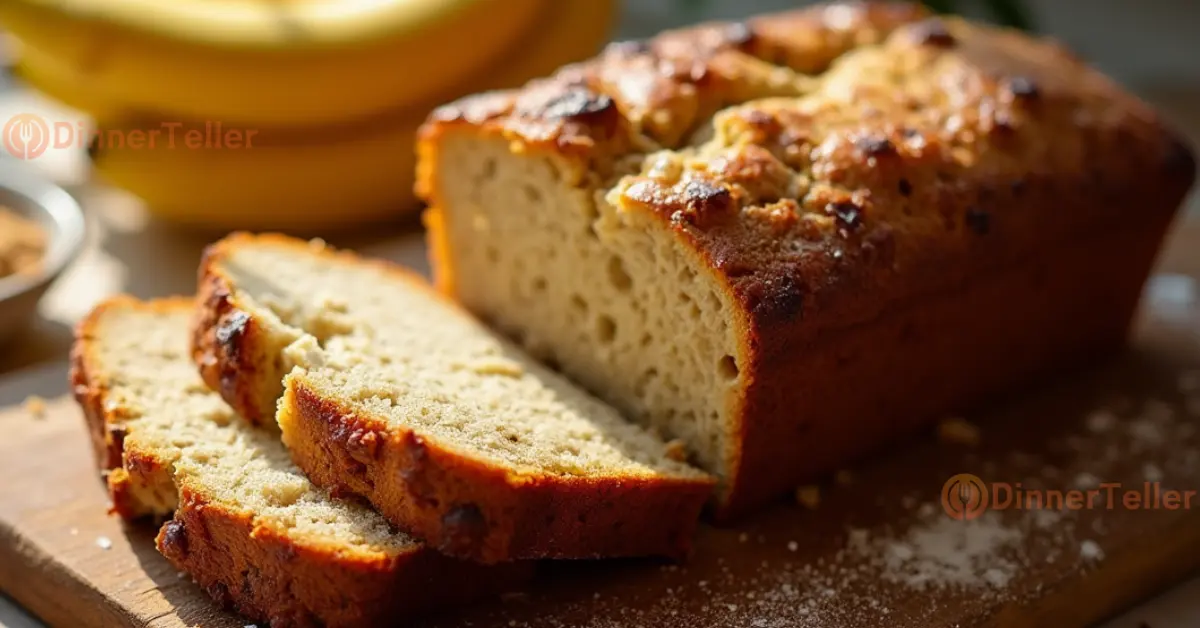
1) How do you keep banana bread moist?
To keep banana bread moist, use overripe bananas as they provide natural moisture and sweetness. Store the bread in an airtight container at room temperature for up to 3 days. You can also wrap it in plastic wrap to lock in the moisture. Avoid overbaking, as it can dry out the bread.
2) What gives quick breads moisture?
Quick breads get their moisture from ingredients like ripe bananas, oil (e.g., coconut oil), or buttermilk substitutes. Using the right balance of wet and dry ingredients is key. Avoid overmixing the batter, as this can lead to a dense texture that feels less moist.
3) Why is my banana bread dry, not moist?
A dry banana bread could be due to overbaking or adding too much flour. Always measure ingredients precisely and check for doneness with a toothpick starting a few minutes before the recommended bake time. Using enough ripe bananas and oil helps maintain moisture.
4) What is an egg substitute for banana bread?
In banana bread, mashed bananas naturally work as an egg substitute, providing binding and moisture. Alternatively, you can use:
Let’s Make It!
Want to learn more about Eggless Banana Bread? Check out our recipes here!
Didn’t find what you were looking for? Or do you have a question you’d like to ask? Leave your questions in the comments, and we’ll respond as quickly as we can!